
Svanshóll
A Farm with Over 1,100 Years of Stories
Long before roads reached the Strandir region...
before the geothermal swimming pool...
before Hotel Laugarhóll...
and centuries before Iceland became a modern nation...
…there was Svanshóll.
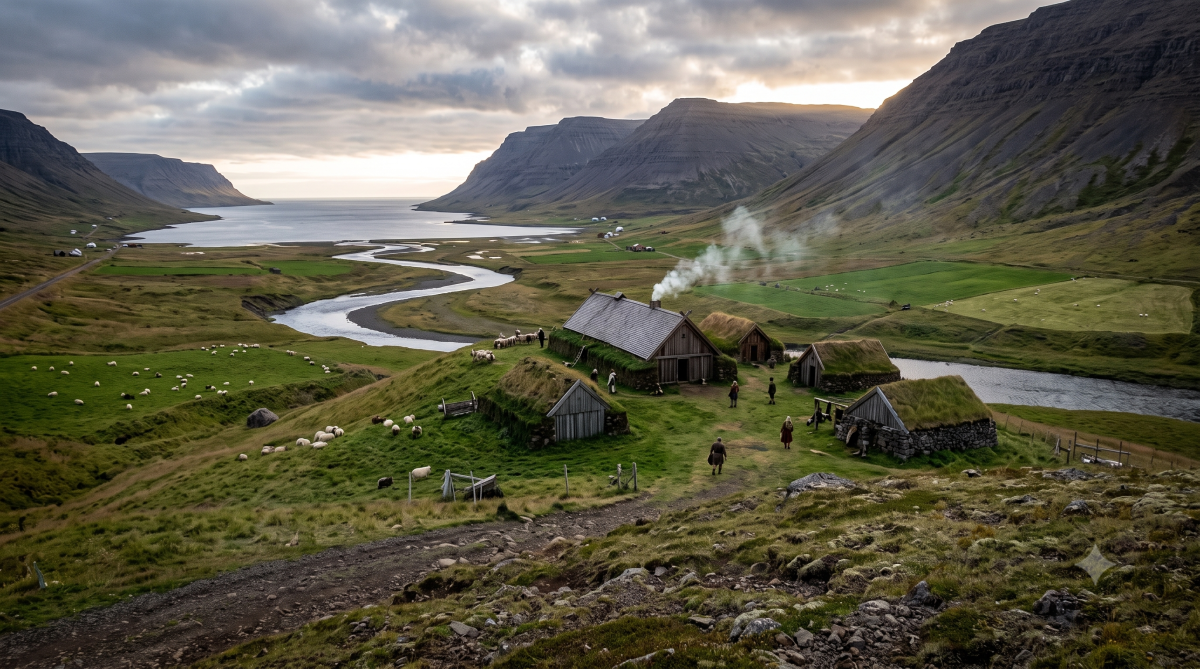
According to Landnámabók (The Book of Settlements), Bjarnarfjörður was settled during Iceland's Settlement Age by Björn and his wife Ljúfa from Norway, who established their home at nearby Bjarnarnes. Their son, Svanur (Swan), later built his own farm here on the hillside overlooking the fjord. The farm became known as Svanshóll, Svanur's Hill, a name it has proudly carried for more than eleven centuries.
before the geothermal swimming pool...
before Hotel Laugarhóll...
and centuries before Iceland became a modern nation...
…there was Svanshóll.
According to Landnámabók (The Book of Settlements), Bjarnarfjörður was settled during Iceland's Settlement Age by Björn and his wife Ljúfa from Norway, who established their home at nearby Bjarnarnes. Their son, Svanur (Swan), later built his own farm here on the hillside overlooking the fjord. The farm became known as Svanshóll, Svanur's Hill, a name it has proudly carried for more than eleven centuries.
Svanur the Sorcerer
Svanur was no ordinary farmer.
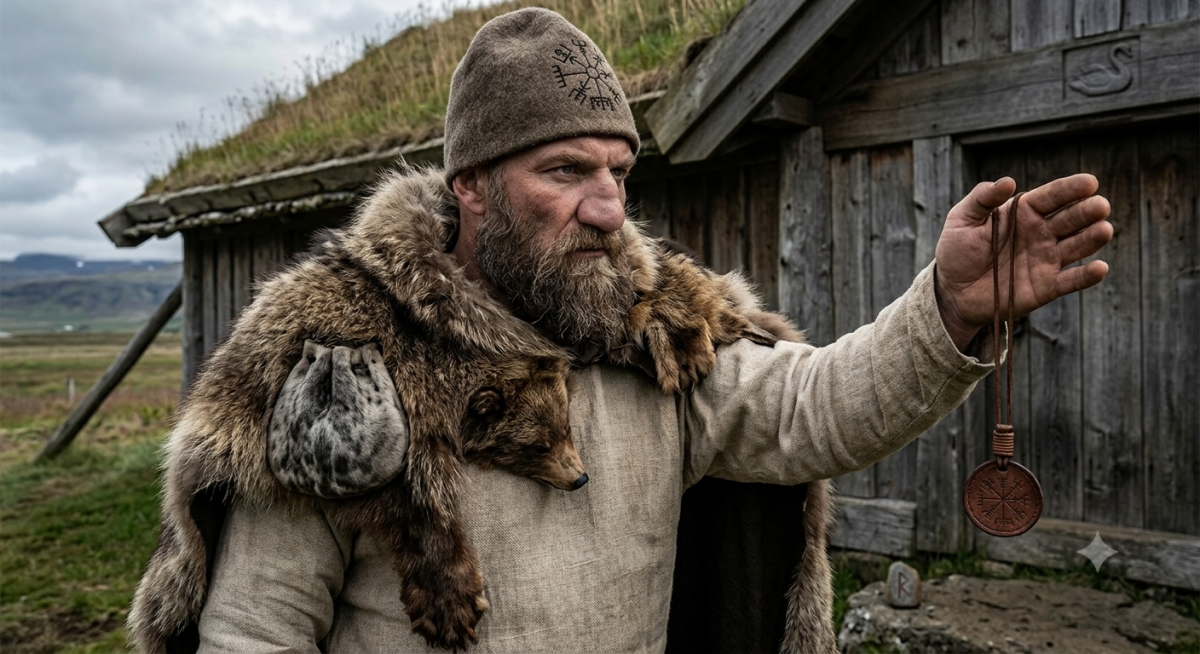
He became one of the most famous sorcerers in the Icelandic Sagas and appears in Njáls saga, where his magical abilities are put to the test.
When a man sought refuge at Svanshóll, Svanur climbed onto the rocks above the farm and cast a spell over the valley. A thick fog rolled across Bjarnarfjörður, confusing the pursuing men until they abandoned their search.
Whether you believe the story or not, anyone who has seen the fog drift silently through the valley can understand how such legends were born.
Svanur was also the maternal uncle of Hallgerður langbrók, one of the most famous and controversial women in Icelandic literature.
He became one of the most famous sorcerers in the Icelandic Sagas and appears in Njáls saga, where his magical abilities are put to the test.
When a man sought refuge at Svanshóll, Svanur climbed onto the rocks above the farm and cast a spell over the valley. A thick fog rolled across Bjarnarfjörður, confusing the pursuing men until they abandoned their search.
Whether you believe the story or not, anyone who has seen the fog drift silently through the valley can understand how such legends were born.
Svanur was also the maternal uncle of Hallgerður langbrók, one of the most famous and controversial women in Icelandic literature.
Following in Svanur's Footsteps
The stories do not end at the farmhouse.
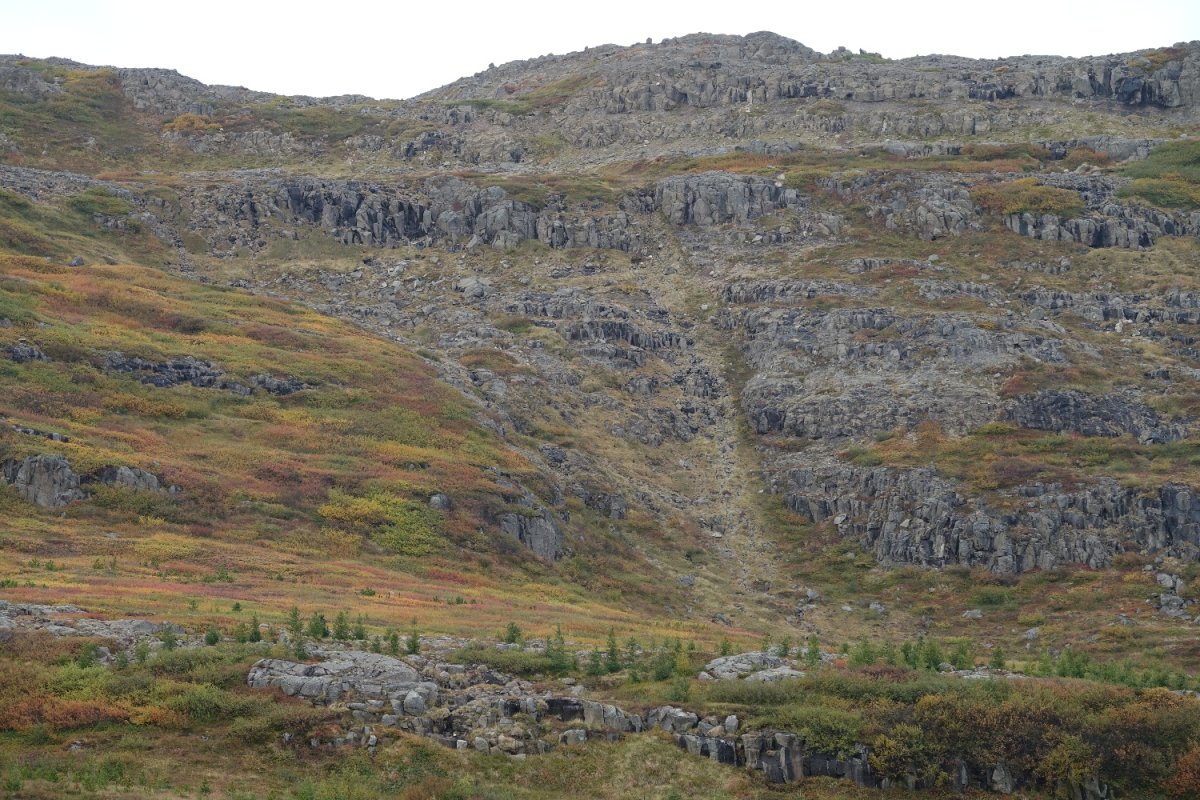
Across the mountains above Kaldbaksvík lies Svansgjá, Svanur's Rift.
According to local tradition, Svanur used the narrow canyon as a magical shortcut whenever he travelled to fish from Kaldbaksvík. Nearby stands Stakkasteinn, a large square boulder where he is said to have laid out his fishing clothes to dry after returning from the sea.
Another legend tells that when Svanur disappeared while fishing, he was later seen walking into the mountain through the rift. Some still say a hidden passage connects Svansgjá beneath the mountains all the way back to Svanshóll.
Across the mountains above Kaldbaksvík lies Svansgjá, Svanur's Rift.
According to local tradition, Svanur used the narrow canyon as a magical shortcut whenever he travelled to fish from Kaldbaksvík. Nearby stands Stakkasteinn, a large square boulder where he is said to have laid out his fishing clothes to dry after returning from the sea.
Another legend tells that when Svanur disappeared while fishing, he was later seen walking into the mountain through the rift. Some still say a hidden passage connects Svansgjá beneath the mountains all the way back to Svanshóll.
Growing a New Forest
Every generation leaves its mark on Svanshóll.
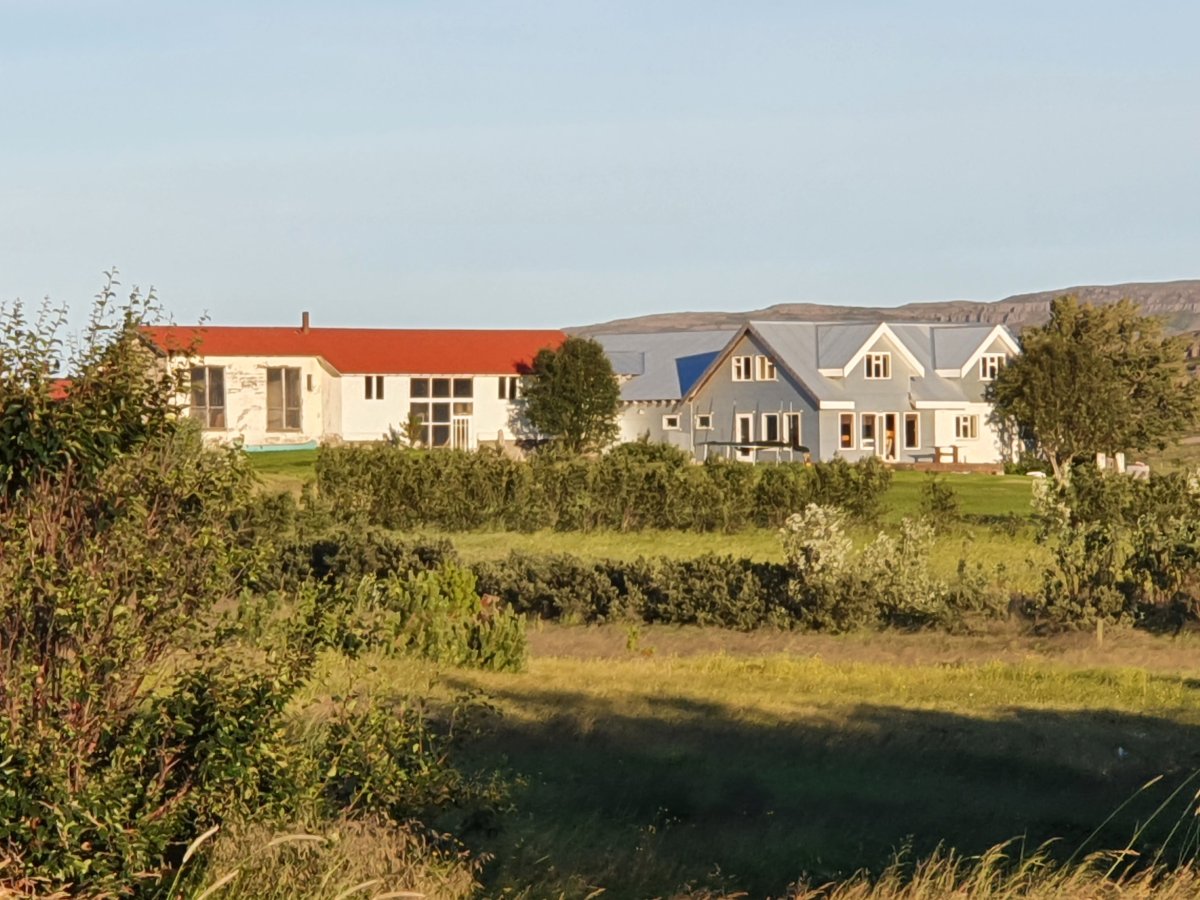
Ours chose to plant trees and grow cherry berry trees. Since 1997, our family has planted more than half a million trees as part of the Westfjords Forestry Project.
Growing forests this close to the Arctic Circle requires patience more than speed. The trees grow slowly, shaped by wind, snow and salt air, but year by year they transform the landscape, creating shelter for wildlife and future generations.
Today, guests are welcome to wander through the young woodland, explore the aspen grove and enjoy a landscape that simply did not exist a generation ago.
Ours chose to plant trees and grow cherry berry trees. Since 1997, our family has planted more than half a million trees as part of the Westfjords Forestry Project.
Growing forests this close to the Arctic Circle requires patience more than speed. The trees grow slowly, shaped by wind, snow and salt air, but year by year they transform the landscape, creating shelter for wildlife and future generations.
Today, guests are welcome to wander through the young woodland, explore the aspen grove and enjoy a landscape that simply did not exist a generation ago.
Cherries Near the Arctic Circle
One thing usually surprises our visitors. Cherries. Alongside apples, pears, plums and berries, our family grows around fifty cherry trees inside a cold greenhouse, a rather unusual sight this close to the Arctic Circle.
Depending on the season you'll also find herbs, vegetables, honeyberries, gooseberries, raspberries, blackcurrants and flowers growing alongside them. It is one of our favourite places to share with guests.
Depending on the season you'll also find herbs, vegetables, honeyberries, gooseberries, raspberries, blackcurrants and flowers growing alongside them. It is one of our favourite places to share with guests.

A Hot Spring Beneath the Elf Cliffs
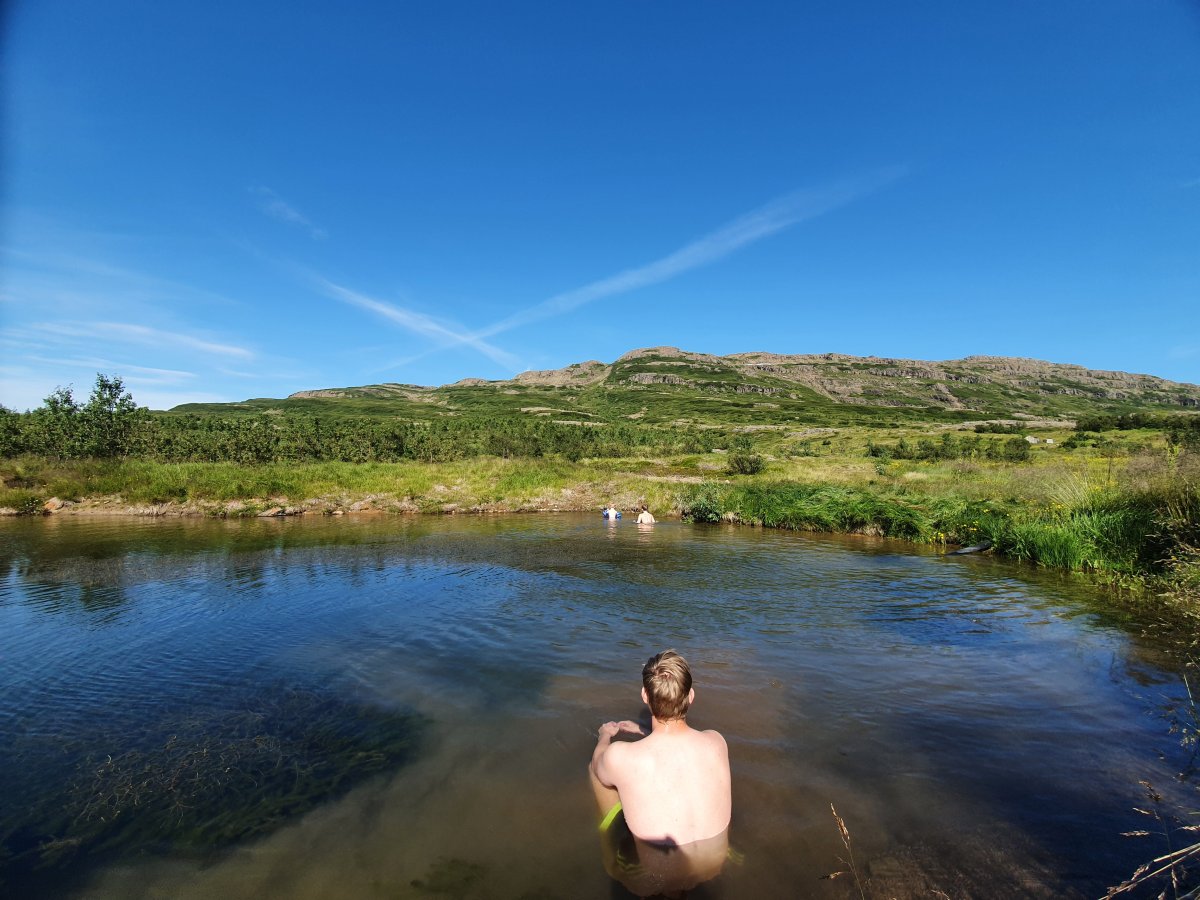
A short walk uphill from the greenhouse leads to our own natural geothermal hot spring. The water remains around 38–40°C throughout the year and offers magnificent views across Bjarnarfjörður.
Above the spring rises a small cliff called Kvíaklettar. According to local folklore, this is where the hidden people live.
Below the cliff you can still see the remains of an old turf structure where earlier generations once kept sheep and carried warm spring water back to the farm.
Whether you come for the warm water or simply the silence, it is one of the most peaceful places on the property.
Above the spring rises a small cliff called Kvíaklettar. According to local folklore, this is where the hidden people live.
Below the cliff you can still see the remains of an old turf structure where earlier generations once kept sheep and carried warm spring water back to the farm.
Whether you come for the warm water or simply the silence, it is one of the most peaceful places on the property.
Walks Through Nature
The valley around Svanshóll offers beautiful walking opportunities in every direction.
Follow the trails through the forest to Þverárgljúfur Canyon, stroll beside the crystal-clear Bjarnarfjarðará River, watch Harlequin Ducks and Red-throated Divers, or try your luck fishing for Arctic char during the summer months.
The mountain streams are so pure that you can drink directly from them.
Follow the trails through the forest to Þverárgljúfur Canyon, stroll beside the crystal-clear Bjarnarfjarðará River, watch Harlequin Ducks and Red-throated Divers, or try your luck fishing for Arctic char during the summer months.
The mountain streams are so pure that you can drink directly from them.
A Place That Keeps Growing
For over eleven centuries people have lived on this hillside.
Some built turf houses.
Some fished the fjord.
Some believed in magic.
Some planted forests.
Some built turf houses.
Some fished the fjord.
Some believed in magic.
Some planted forests.
Explore the Land
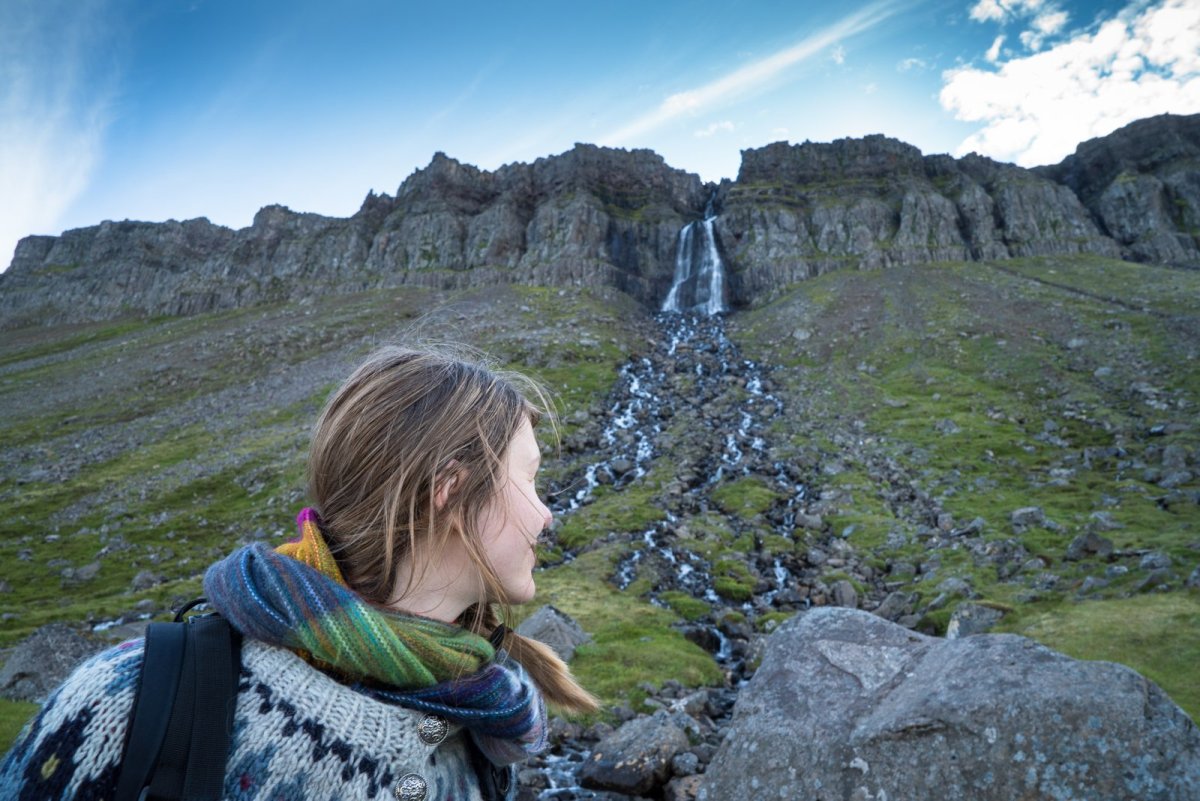
Today we welcome visitors from around the world, but the spirit of Svanshóll remains much the same as it has always been.A place where nature, history and family are deeply connected.
We invite you to explore the land at your own pace. Wander through the young forest, walk across the meadows, follow the Bjarnarfjarðará River upstream or simply find a quiet place to enjoy the scenery. Every season has its own character, from spring wildflowers and nesting birds to the rich colours of autumn and the peaceful silence of winter.
For more than 1,100 years, people have walked these hills. We hope you will enjoy exploring them as much as we do and help us preserve them for those who come after you.
As this is both a working family farm and an area of outstanding natural beauty, we kindly ask all visitors to respect the land, the wildlife and other guests. Please leave no trace and stay on existing tracks whenever possible.
We invite you to explore the land at your own pace. Wander through the young forest, walk across the meadows, follow the Bjarnarfjarðará River upstream or simply find a quiet place to enjoy the scenery. Every season has its own character, from spring wildflowers and nesting birds to the rich colours of autumn and the peaceful silence of winter.
For more than 1,100 years, people have walked these hills. We hope you will enjoy exploring them as much as we do and help us preserve them for those who come after you.
As this is both a working family farm and an area of outstanding natural beauty, we kindly ask all visitors to respect the land, the wildlife and other guests. Please leave no trace and stay on existing tracks whenever possible.
The following activities are not permitted on the property:
- Lighting fires
- Hunting
- Fishing in streams or lakes, picking berries or mushrooms without permission
- Driving off marked roads or tracks