
The sorcerers cottage
'Kotbýli kuklarans'
Just a short 5 minute walk from Hotel Laugarhóll stands The Sorcerer's Cottage (Kotbýli kuklarans), a faithful reconstruction of a humble 17th-century croft. Part of the Museum of Icelandic Sorcery & Witchcraft in Hólmavík, the cottage offers a fascinating glimpse into everyday life during Iceland's Age of Witchcraft.
It tells the story of ordinary people living in extraordinary times, when survival depended on farming, fishing and making the most of every resource the surrounding landscape could provide.
It tells the story of ordinary people living in extraordinary times, when survival depended on farming, fishing and making the most of every resource the surrounding landscape could provide.
A Harsh Life in Strandir
Life in 17th-century Strandir was demanding.
Families depended on a small number of sheep, fishing, haymaking and whatever nature could provide. Poor harvests, harsh winters and failed fishing seasons could quickly lead to hunger.
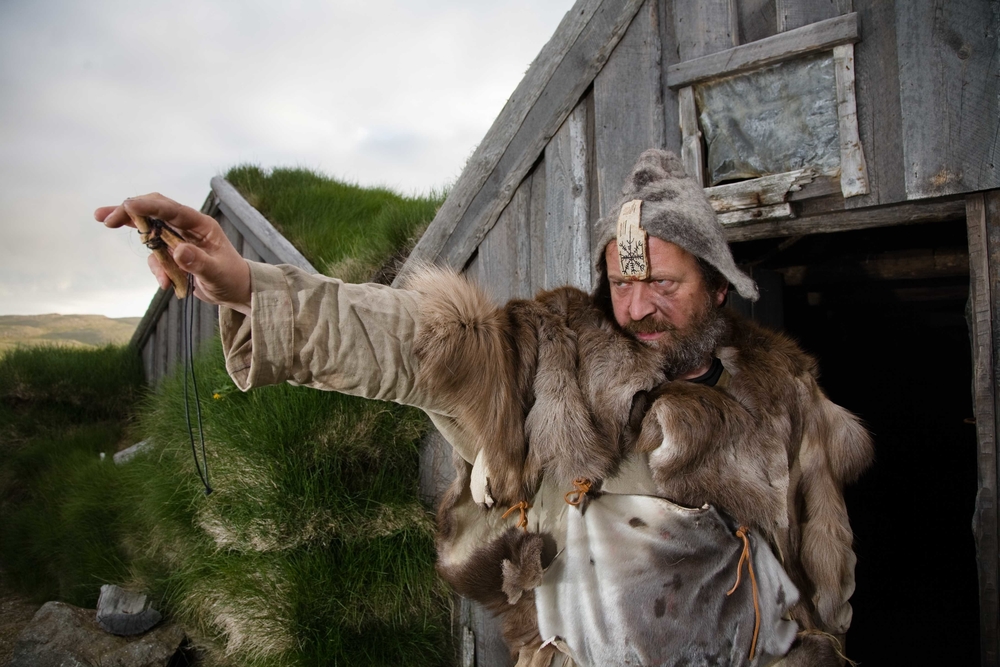
It is perhaps not surprising that many people turned to ancient beliefs and magical practices. As long as they believed in the power of words, symbols and prayers, magical staves were used in the hope of protecting livestock, improving the harvest, bringing luck at sea or making everyday work a little easier.
To the people of the time, magic was not entertainment, it was simply another way of trying to survive.
Families depended on a small number of sheep, fishing, haymaking and whatever nature could provide. Poor harvests, harsh winters and failed fishing seasons could quickly lead to hunger.
It is perhaps not surprising that many people turned to ancient beliefs and magical practices. As long as they believed in the power of words, symbols and prayers, magical staves were used in the hope of protecting livestock, improving the harvest, bringing luck at sea or making everyday work a little easier.
To the people of the time, magic was not entertainment, it was simply another way of trying to survive.

Explore a 17th-Century Icelandic Home
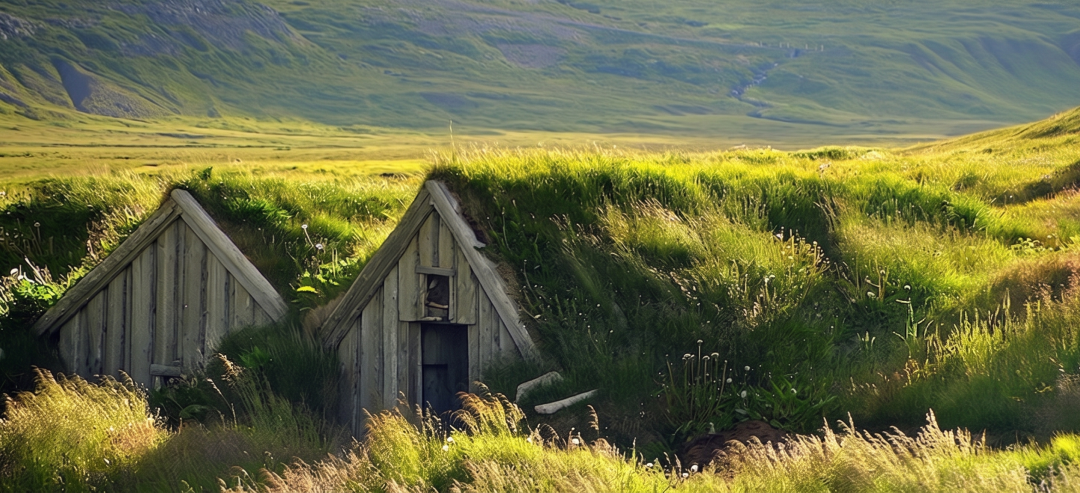
The Sorcerer's Cottage consists of three connected turf-roofed buildings.
The first two rooms recreate the living quarters shared by both the family and their livestock, while the final room presents the history of Bjarnarfjörður and its people during the witchcraft period.
Inside you'll find traditional household tools, preserved food, simple furniture and examples of Icelandic galdrastafir (magical staves), carved into wood or written on parchment to protect against evil, bring good fortune or improve daily life.
The first two rooms recreate the living quarters shared by both the family and their livestock, while the final room presents the history of Bjarnarfjörður and its people during the witchcraft period.
Inside you'll find traditional household tools, preserved food, simple furniture and examples of Icelandic galdrastafir (magical staves), carved into wood or written on parchment to protect against evil, bring good fortune or improve daily life.
The dim interior, low ceilings and turf construction create an authentic impression of what life was like more than 350 years ago.
Witchcraft in Iceland
Unlike many other European countries, most of those accused and executed for witchcraft in Iceland were men.
The Strandir region became one of the centres of Iceland's witchcraft history, and many of the stories preserved here are unique to this part of the country.
The Sorcerer's Cottage forms part of the Museum of Icelandic Sorcery & Witchcraft, which explores the witch trials, folklore, magical symbols and beliefs that shaped Iceland during the 17th century.
The Strandir region became one of the centres of Iceland's witchcraft history, and many of the stories preserved here are unique to this part of the country.
The Sorcerer's Cottage forms part of the Museum of Icelandic Sorcery & Witchcraft, which explores the witch trials, folklore, magical symbols and beliefs that shaped Iceland during the 17th century.


Visit the Museum in Hólmavík
To gain a deeper understanding of Iceland's witchcraft history, we recommend visiting the Museum of Icelandic Sorcery & Witchcraft in Hólmavík, approximately 25 km south of Hotel Laugarhóll.
Together, the museum and the Sorcerer's Cottage provide one of Iceland's most distinctive cultural experiences.
More information is available at www.galdrasyning.is
Together, the museum and the Sorcerer's Cottage provide one of Iceland's most distinctive cultural experiences.
More information is available at www.galdrasyning.is
Visitor Information
Unlike many other European countries, most of those accused and executed for witchcraft in Iceland were men.
The Strandir region became one of the centres of Iceland's witchcraft history, and many of the stories preserved here are unique to this part of the country.
The Sorcerer's Cottage forms part of the Museum of Icelandic Sorcery & Witchcraft, which explores the witch trials, folklore, magical symbols and beliefs that shaped Iceland during the 17th century.
The Strandir region became one of the centres of Iceland's witchcraft history, and many of the stories preserved here are unique to this part of the country.
The Sorcerer's Cottage forms part of the Museum of Icelandic Sorcery & Witchcraft, which explores the witch trials, folklore, magical symbols and beliefs that shaped Iceland during the 17th century.
Continue Exploring
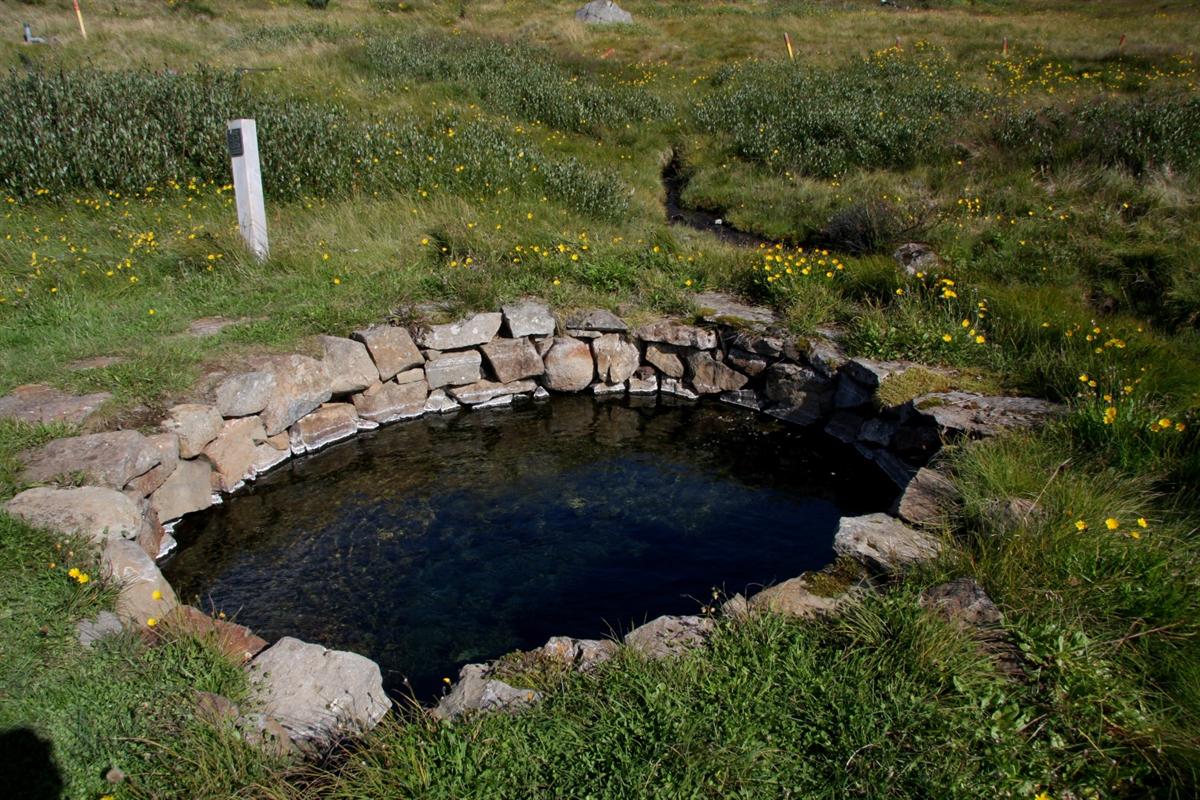
Only a few steps from the Sorcerer's Cottage lies Gvendarlaug, the ancient geothermal spring that has attracted people to Bjarnarfjörður for centuries.
Within a walk of less than 100 metres, you can experience almost 900 years of Icelandic history, from a reconstructed 17th-century turf cottage to one of Iceland's oldest geothermal bathing sites, a historic swimming pool and modern geothermal bathing facilities.
Few places in Iceland bring together history, folklore, geothermal bathing and the natural beauty of the Strandir region in such a unique and authentic way.
Within a walk of less than 100 metres, you can experience almost 900 years of Icelandic history, from a reconstructed 17th-century turf cottage to one of Iceland's oldest geothermal bathing sites, a historic swimming pool and modern geothermal bathing facilities.
Few places in Iceland bring together history, folklore, geothermal bathing and the natural beauty of the Strandir region in such a unique and authentic way.